Walker Bay whale nursery
The sheltered water along De Kelders is important habitat for Southern Right Whale mothers and calves during the season.
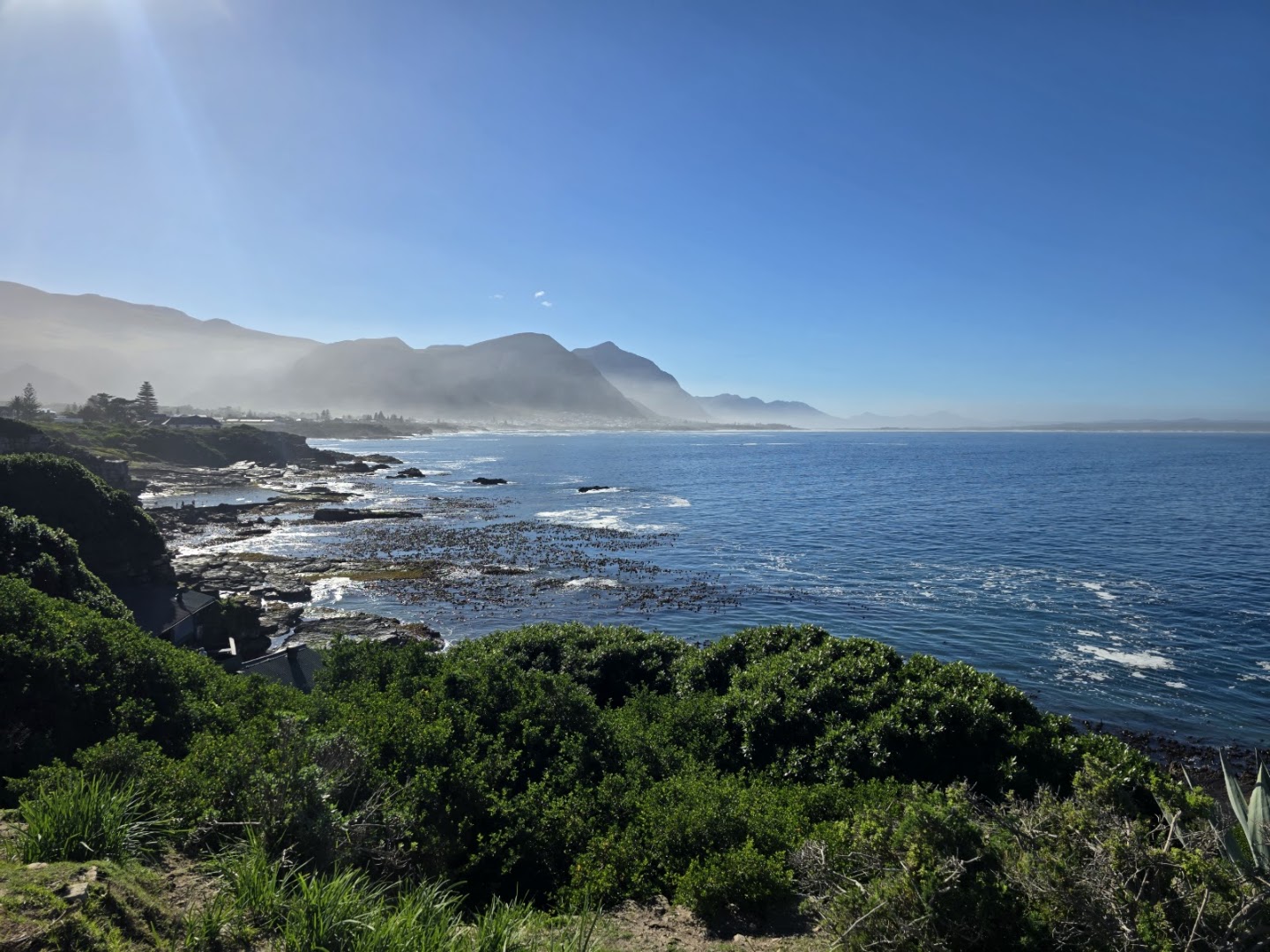
Gansbaai Harbour · Walker Bay
Two-hour boat cruises departing Gansbaai Harbour into Walker Bay and along the dramatic De Kelders coastline — Southern Right Whales, Humpbacks, Bryde’s Whales, dolphins, seals and marine birdlife with expert marine guides.
Gansbaai Whale Watching — Quick Facts
On the water
~2 hours
Total experience
~2.5 hours
Departure
Gansbaai Harbour
Area
Walker Bay & De Kelders
Check-in
30 minutes before
Departures
07:00 · 10:00 · 13:00 · 15:30
Gansbaai Whale Watching
Adult
R2,150
Age 13+
Child
R1,075
Age 5–12
Infant
Free
Age 0–4
Scheduled departures
Check in 30 minutes before departure.
Prices are per person for this Gansbaai Harbour boat trip. Departures are subject to availability, weather, sea conditions and operator scheduling.
The Gansbaai experience
Leave the working harbour of Gansbaai to explore the eastern side of Walker Bay beneath the dramatic De Kelders cliffs, with marine guides interpreting the wildlife and coastal ecosystem.
The sheltered water along De Kelders is important habitat for Southern Right Whale mothers and calves during the season.
Sandstone cliffs, sea caves and the Klipgat archaeological cave create a distinctive scenic backdrop from the water.
This trip concentrates on Walker Bay and De Kelders rather than travelling offshore to the Dyer Island ecosystem.
Guides help identify species, interpret behaviour and explain the marine ecology and responsible-viewing protocols.
Wildlife varies with every departure
Walker Bay is a wild marine environment. These are possible encounters, not a checklist, and no species or sighting can be guaranteed.
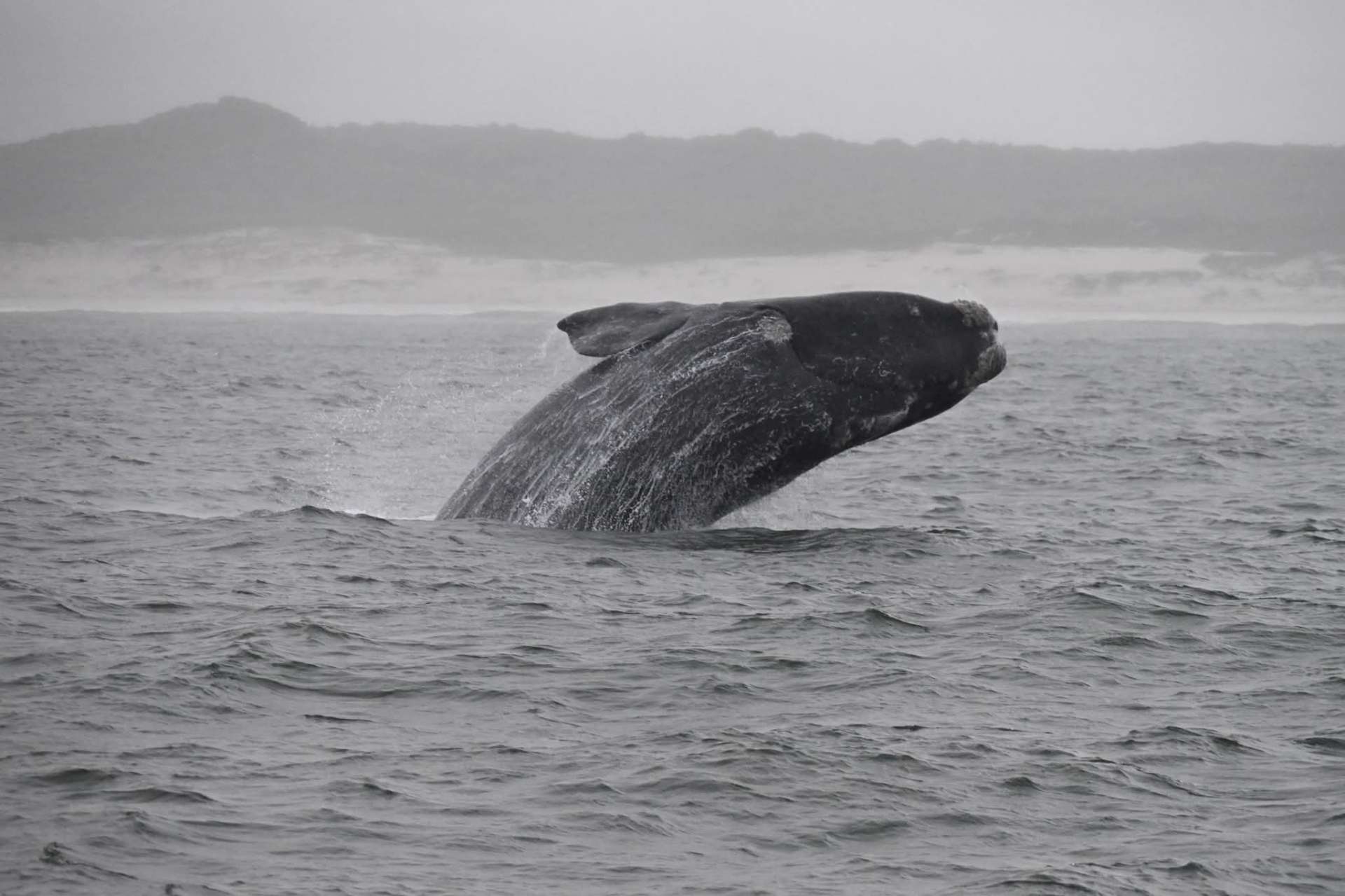
June to early December
The headline seasonal species in Walker Bay, with mothers and calves often resting near the De Kelders coastline.
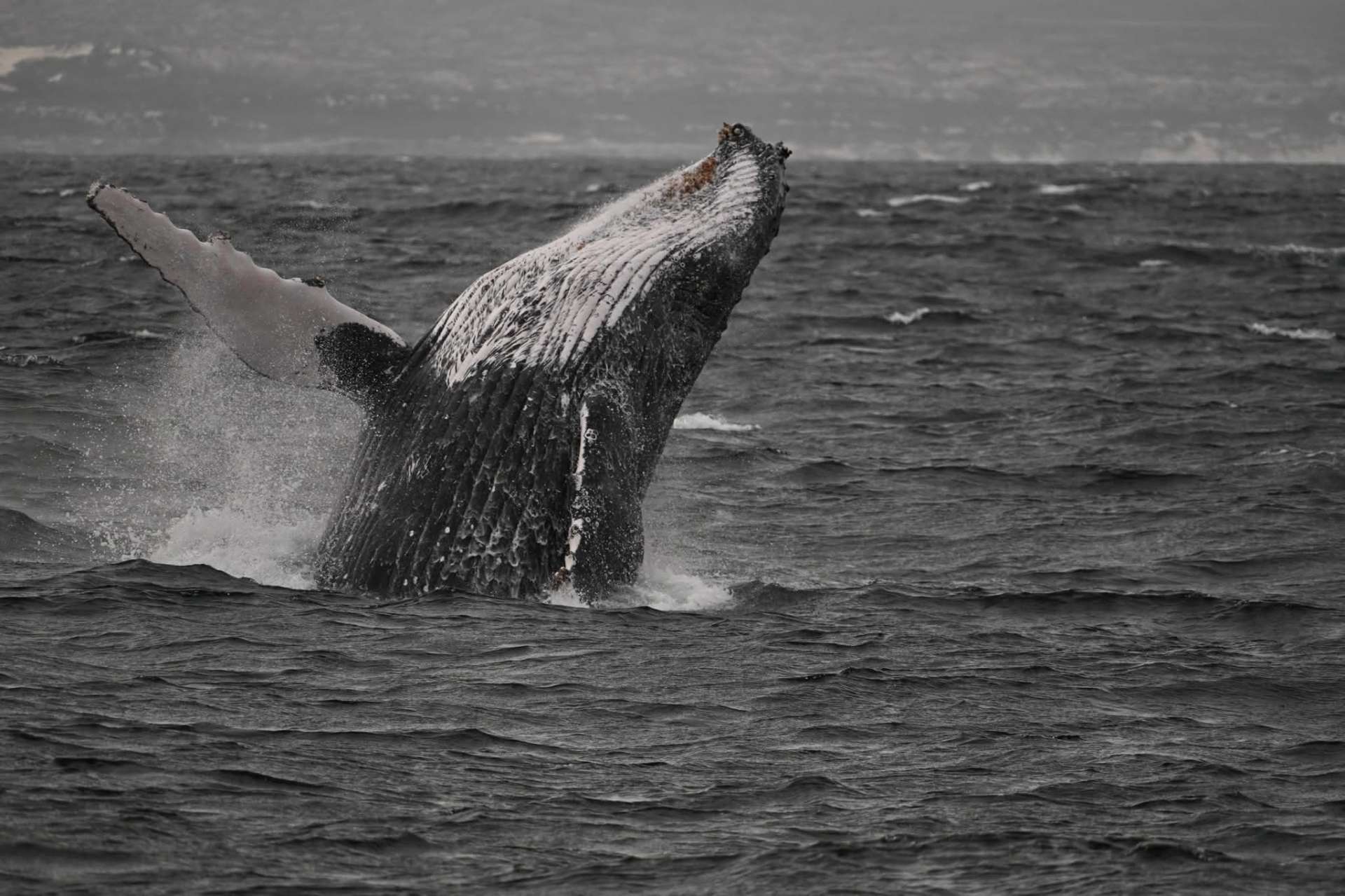
Seasonal migration
Migrating Humpbacks may pass through Walker Bay in early winter and again in late spring.
Possible year-round
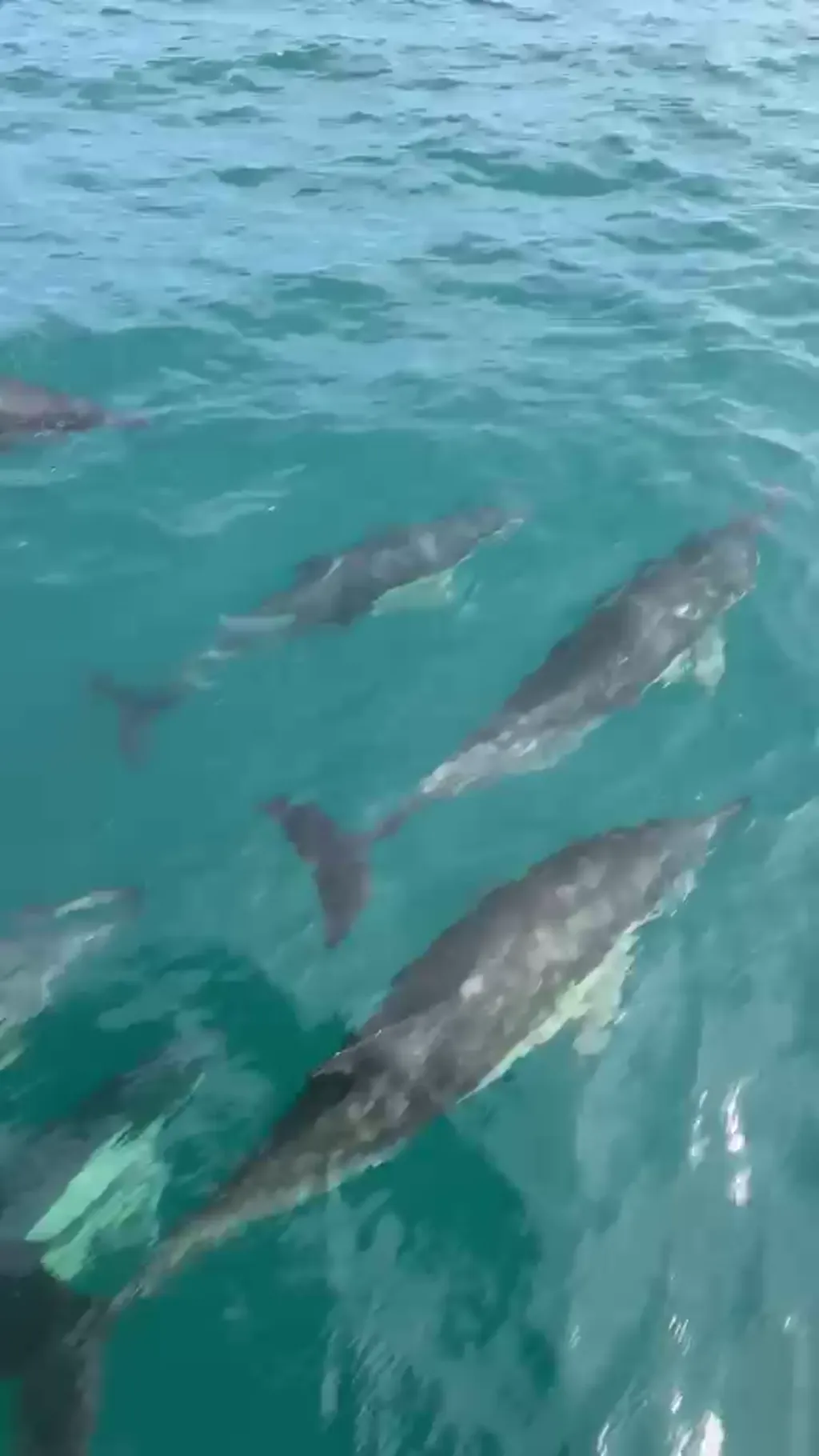
Resident Bryde’s Whales and common or bottlenose dolphins are possible throughout the year.
Wildlife varies
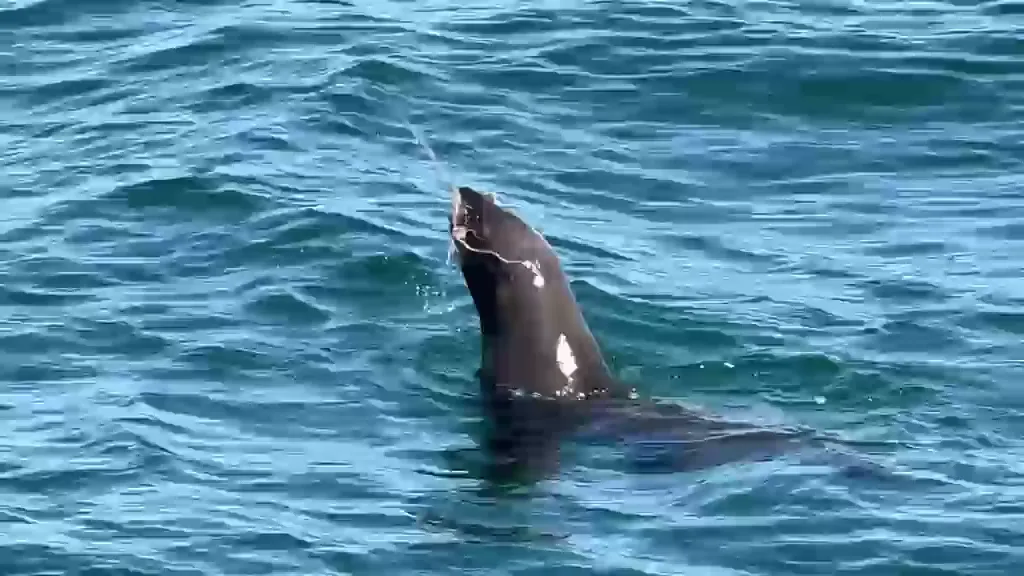
Cape fur seals, gannets, cormorants, oystercatchers, terns and other marine birds may share the bay.
African Penguins may occasionally forage in Walker Bay, but sightings here are opportunistic. The main Dyer Island penguin and Marine Big Five experience is the separate trip from Kleinbaai Harbour.
From harbour to bay
A straightforward, guided trip from the harbour into the eastern side of Walker Bay.
Conditions: All departures are subject to availability, weather, sea conditions and operator scheduling. Wildlife sightings are not guaranteed.
Gansbaai Harbour · Walker Bay
Request your date and scheduled departure below. Your trip is confirmed only after availability has been checked and you receive confirmation.
Plan with confidence
Open each guide for detailed, practical information about the trip.
Gansbaai Harbour is the historic Old Harbour of the fishing town of Gansbaai, roughly 45 minutes’ drive from Hermanus and about two hours from Cape Town. It is a protected launch site sheltered by a stone breakwater. Parking is free and unrestricted, and the harbour office is a few steps from the boat.
Walker Bay is the crescent-shaped bay between Hermanus and Danger Point. Its Gansbaai side follows the pale sandstone sea cliffs, caves and deep protected water of De Kelders. This shoreline provides important sheltered habitat for Southern Right Whale mothers and calves during the season.
For more detail, read the Walker Bay Whale Watching Guide, Southern Right Whales in Walker Bay and Walker Bay Marine Life.
From June to early December, female Southern Rights migrate from Antarctic feeding grounds to Walker Bay to calve and nurse. Peak months are usually September and October. Possible behaviour includes lobtailing, sailing, spy-hopping and breaching.
Humpbacks pass on migration from May to July and again from October to December. Bryde’s Whales are resident year-round and may be seen hunting sardine, anchovy and squid.
Common and bottlenose dolphins may bow-ride the boat. Cape fur seals occur around the harbour and coast. Ocean sunfish may enter the bay in warmer summer months, while birdlife can include Cape gannets, Cape and crowned cormorants, African black oystercatchers, kelp gulls, terns and occasional albatrosses or giant petrels.
African Penguins sometimes forage in Walker Bay, but sightings on this trip are opportunistic. Their nearest breeding colony is on Dyer Island, reached by the separate Kleinbaai Marine Safari.
Qualified marine guides interpret whale behaviour, marine ecology and the conservation story of Walker Bay. Wildlife approaches the vessel on its own terms, and sightings are never guaranteed.
The trip operates under a South African whale-watching permit and follows regulated approach and engine-off protocols for close encounters.
All departures are subject to availability, weather, sea conditions and operator scheduling. The skipper’s safety decision is final. If the operator cancels, guests are rebooked to a suitable trip or refunded. Contact us before changing plans because of a forecast.
Boarding involves a short step from the quay onto the vessel. Guests with mobility challenges are welcome; mention assistance needs when booking so support and seating can be planned. Very young infants under 12 months are generally not recommended for open-water trips.
Conditions vary. If you are prone to seasickness, consider suitable medication 30–45 minutes before departure and eat a light meal beforehand.
Southern Right Whale season runs from June to early December, usually peaking in September and October. See the South Africa whale-season planner for a month-by-month guide.
Gansbaai is roughly 40 km east of Hermanus along the R43 and about two hours from Cape Town via the N2 and R43. From central Gansbaai, follow the signs down to the harbour. Parking is free.
Keep the boat experience separate and add either private return transport or a fully guided private day.
Private return transfer
From R4,900 for 1–2 guests. Private vehicle pricing covers the group; boat tickets remain separate.
View the transfer →Private guided day tour
From R6,600 for 1–2 guests. Boat tickets are additional.
View the day tour →Two harbours · two different experiences
Both are in the wider Gansbaai area, but they are separate products with different departure points and marine environments.
You are viewing this trip
Separate experience
Everything you need to know before booking your Gansbaai whale watching trip.
Related Destinations
Discover whale watching trips, scenic flights and marine wildlife experiences across South Africa's leading coastal destinations.